Planned growth of data centres in London could undermine mayor’s net zero goals
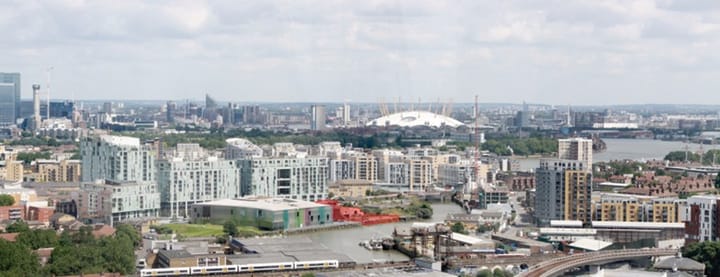
Between 50 and 60 of around 100 data centres that are planned across the UK, are scheduled to be built in London.
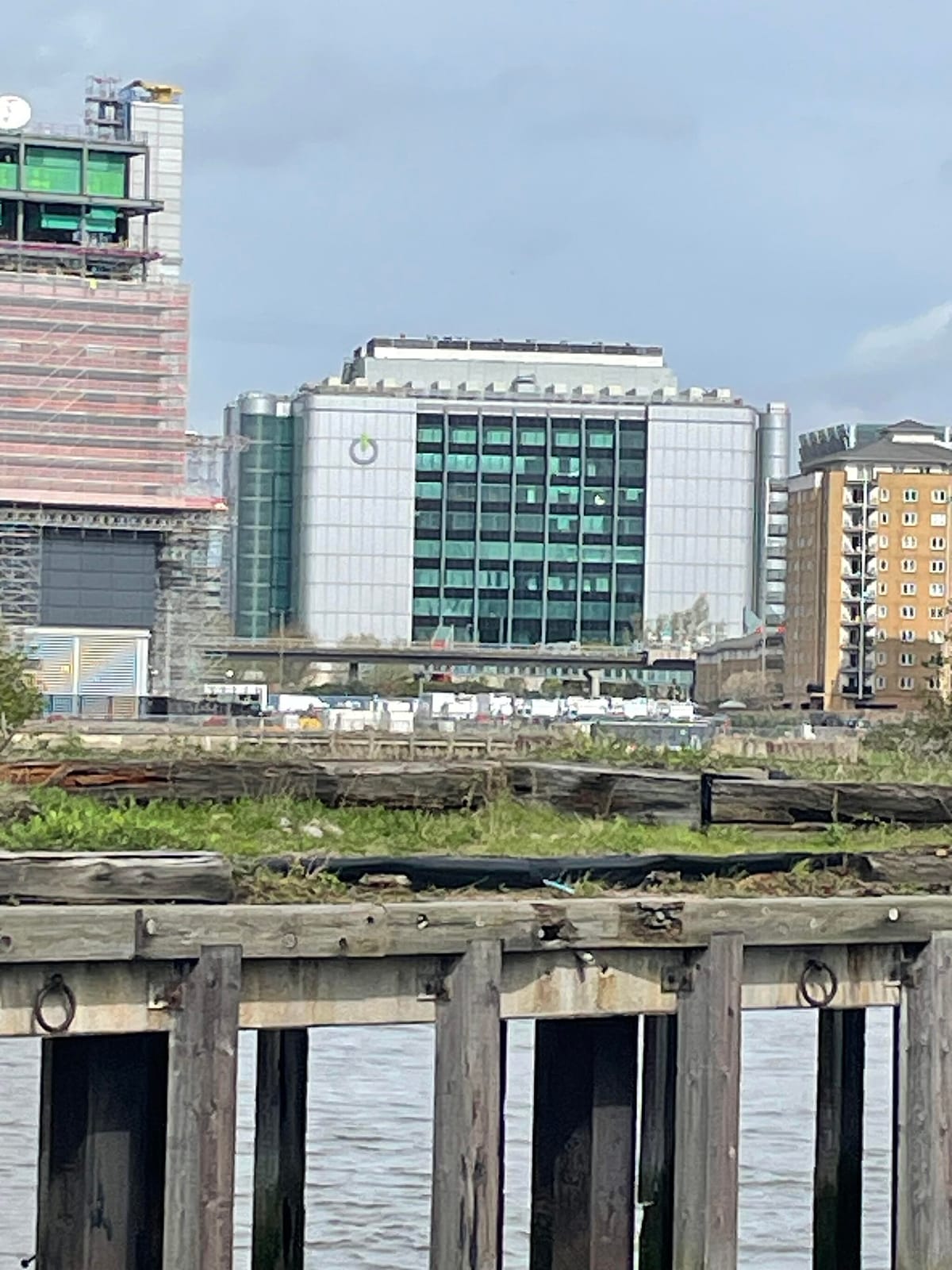
A planned proliferation of data centres in London could undermine the capital’s decarbonisation goals, the London Assembly has been told. Between 50 and 60 of around 100 planned data centres – which house IT infrastructure such as servers – currently in the planning pipeline are scheduled to be built in London.
However, it is estimated that every 10 new data centres built could result in 2.7m tonnes of carbon emissions, prompting concerns that their construction could subvert the Mayor of London’s climate goals.
“This is definitely undermining the process we’ve been making,” Oliver Hayes. Head of Policy & Campaigns at Global Action Plan, told the London Assembly Environment Committee on 3 February.
He estimated that in 2050, data centres alone would use a quarter of the UK’s entire electricity consumption as of last year, and that just 10 of the proposed data centres would generate carbon emissions equivalent to the amount saved from a complete switch to electric vehicles.
Tech firms want onsite gas power and use diesel backup
Hayes warned that tech firms are also hoping for data centres to be powered by onsite gas to enable to them build them quicker. He added: “This will have devastating consequences for the climate.
“Data centres also need to be confident they can run the entire time, so they all have backup generators on site – usually in the form of diesel generators. This again has additional impacts for climate, but clearly, particularly in a London context, risks undermining the progress that we’ve heard about on air quality.”
The organisation estimates that Havering, Tower Hamlets, Newham and Brent will be put under the most “pressure” from new data centres. While the current spread around the capital is “fairly diverse”, existing data centres are “much, much smaller” than the planned, new ones, Hayes said.
Fears of water stress
This could lead to issues with water, he added, noting that water stress – when demand for water exceeds the available supply – is most acute in London and the South-East, where the majority of new data centres are being planned.
There were also warnings sounded about London’s housing supply crisis, following a report from the London Assembly Planning and Regeneration Committee that some new housing developments in west London were temporarily delayed after the electricity grid reached full capacity.
Calling for the new London Plan – set to be released next year – to have a “dedicated data centre policy”, Mr Hayes said: "People can’t move into homes because there is no grid.
Potential increase in energy bills
“We are also very worried also about the potential impacts down the line for bills. Every additional demand such as that coming from data centres requires additional infrastructure, grid upgrades, more renewables than would otherwise be needed. Those costs will inevitably filter down to bill payers.”
“We are at a bit of a fork in the road where a lot of this stuff, if it’s built now, will be around for a long time. So that’s why the interventions are so critical now. Transparency is very important.”
A spokesperson for the Mayor of London has previously said they are working to include “how to best address the need for data centres in London”. The committee session came after a roundtable session with policy experts and frontline environmental practitioners which took place in City Hall.
Leonie Cooper, Chair of the London Assembly Environment Committee, told the Local Democracy Reporting Service (LDRS): “This is an important moment to review London’s progress on environmental priorities. The mayor has set ambitious goals – from cleaning London’s air and cutting harmful climate emissions, to warmer homes, swimmable rivers and increasing access to nature.
“Bringing together such a wide range of stakeholders across the environmental sector led to a rich and diverse discussion around London’s environmental priorities. The findings from the discussions will help shape our scrutiny going forward, as we investigate the issues that matter most to Londoners.”
Sign-up for our free weekly newsletter - Salamander News in your inbox